Nanotech & Art
Dr Gimzewski did an exceptional job at breaking down nanotech in a manner that definitely allowed me to better understand what the field was all about. The history of nanotech and its development is incredibly interesting and I was very impressed by the study of nature in order to get inspiration for nanostructures. I was particularly interested in nanophotonics because that truly has an artistic quality to it due to the use of colors and light. Biomineralization is also incredibly fascinating because of the ability of biological structures to take on a mineral level structure and hardness. The world of nanostructures has only been visible to us relatively recently and we are constantly discovering new materials and structures that could greatly impact our daily lives.
https://nhm.org/sites/default/files/styles/featured_callout/public/2020-06/istock-541289312.jpg?h=b2aa2a36
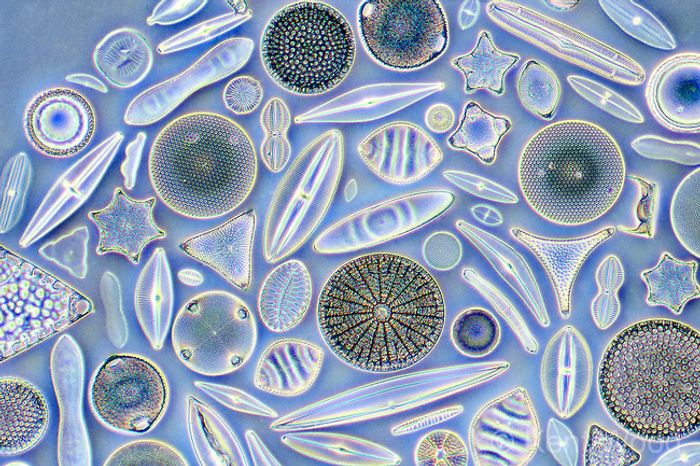
The field of electron microscopy showed us an entire world that had previously been hidden from the human eye. Additionally the tunneling microscope took this a step further in allowing the actual mapping of atomic structures that gave scientists actual images of what the surface of the structures is like. This revealed a hidden beauty in natural structures which take on forms that are not only aesthetically pleasing to the human eye but also serve specific purposes necessary for larger structures. One of the structures which is far more beautiful than ever imagined are those of silicates in sand and seashells. They form magnificent structures that can provide them with incredible strength but the shapes they take can also be awe inspiring. The variety of diatom structures is a perfect example of just how various and beautiful they can become.
https://d3bkbkx82g74b8.cloudfront.net/eyJidWNrZXQiOiJsYWJyb290cy1hc3NldHMiLCJrZXkiOiJfcHVibGljXC9fZmlsZXNcL3N5c3RlbVwvY2tcL3RyZW5kaW5nXC9EaWF0b20tMDA4LTI0MDBfNjJjYjFiNWM0ODVhMDhhZGQ5NzA5NjkzYTA1YzQwYzcuanBnIiwiZWRpdHMiOnsicmVzaXplIjp7IndpZHRoIjo3MDAsImZpdCI6ImNvdmVyIn19fQ==
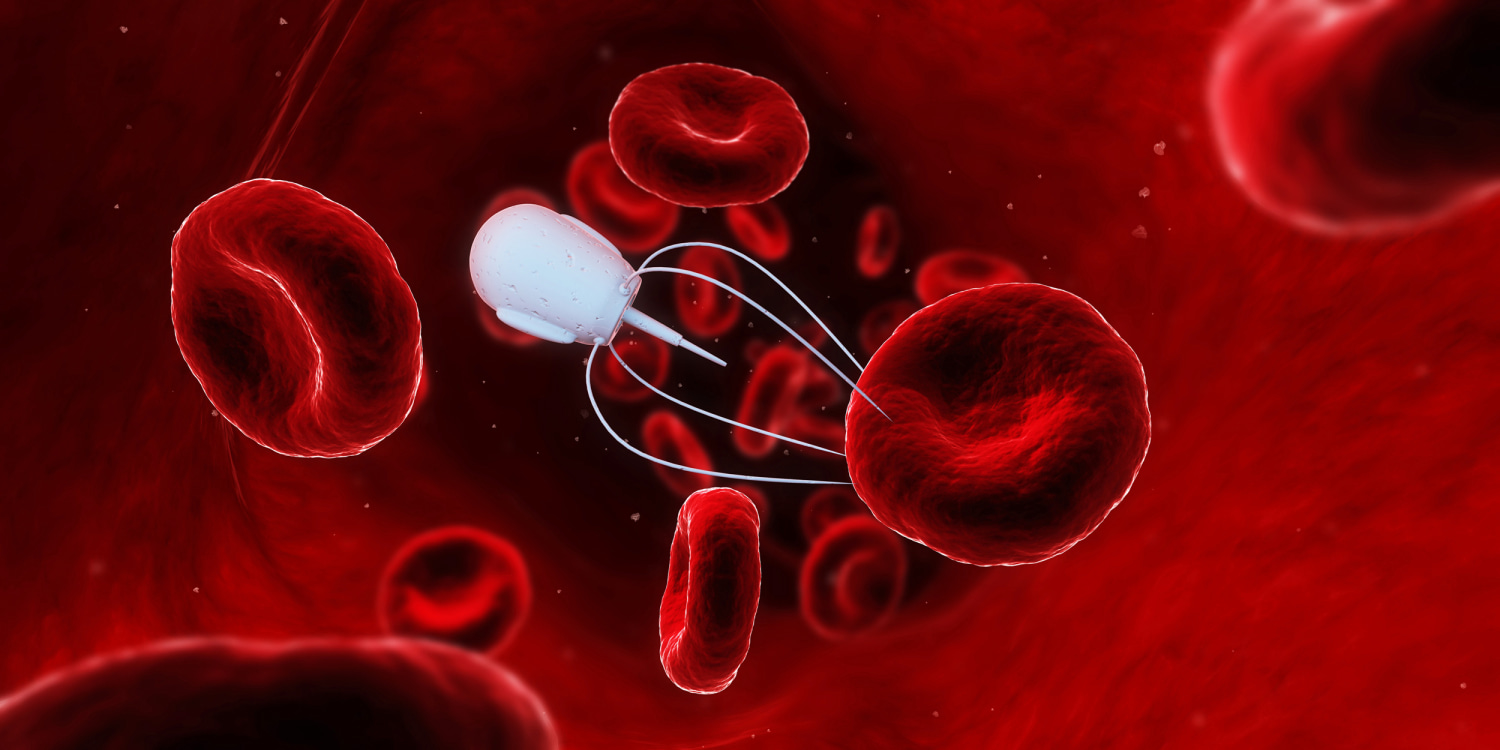
Nanotech also has a major function in the biological functions of all living organisms. In order to create nanobots themselves we will need to totally rethink the manner in which we practice hydrodynamics due to the difference of motion on a nano scale. By observing the flagella of bacteria scientists are able to better understand the movement of nanoparticles through liquids. Personally I believe that nanotechnology is the future of medicine itself. If we were able to develop nanites capable of functioning within the human body it could potentially allow for an extreme increase in the average human lifespan. These nanites could perform many functions such as seeking out and destroying bacteria, viruses, and cancer cells within the human body. Repairing strained valves or injuries almost instantaneously. And even potentially increasing our strength and cognitive functions by acting as neurons or muscle tissues. The possibilities in this field are endless and an artists touch will be necessary in the development of such an advanced technology.
https://media-cldnry.s-nbcnews.com/image/upload/t_fit-1500w,f_auto,q_auto:best/newscms/2018_14/2380966/180329-nanobots-blood-mn-1335.jpg
Image Sources:
Gent, Ed. “These Tiny Robots Could Be Disease Fighting Machines Inside the Body.” MACH, ABC, 30 Mar. 2018, https://www.nbcnews.com/mach/science/these-tiny-robots-could-be-disease-fighting-machines-inside-body-ncna861451. Accessed 17 May 2022.
Evans, Kerry. “Diatoms They're Everywhere.” LabRoots, 23 Aug. 2016, https://www.labroots.com/trending/microbiology/3886/diatoms-they-re-everywhere. Accessed 17 May 2022.
Hayden, Tyler. “Out-Of-State Butterflies.” Natural History Museum Los Angeles, https://nhm.org/stories/out-state-butterflies. Accessed 17 May 2022.
References:
Binns, Chris. Introduction to Nanoscience and Nanotechnology / Chris Binns. 1st edition. Hoboken, N.J: Wiley, 2010. Print.
Robinson, Chris. “The Role of Images and Art in Nanotechnology.” Leonardo (Oxford) 45.5 (2012): 455–460. Web.
Wilson, Lori A. “An Art/science Collaboration Benefits Nanotechnology, Medicine, and Art.” MRS bulletin 46.2 (2021): 104–106. Web.
Allison, R.R et al. “Bio-Nanotechnology and Photodynamic therapy—State of the Art Review.” Photodiagnosis and photodynamic therapy 5.1 (2008): 19–28. Web.
LaBean, Thomas H. “Nanotechnology Another Dimension for DNA Art.” Nature (London) 459.7245 (2009): 331–332. Web.


Hi Ryan!
ReplyDeleteI think you did an exemplary job enlightening the casual reader of this week's lesson! I especially enjoyed your take on the medicinal use of nanotechnology. I slightly mention nanobots in my blog, talking about how it was my only concept of nanotech. But, I wish I had sifted through the implications and possible applications as you did! My question to you is even if we were able to achieve the vision that you have, would it be humane to utilize such technology in everyday medicine practice? Who do we begin testing on? What happens if nanobots were to cause complications themselves that are unfixable by human hands? And, finally, a silly question: what if they inevitably develop AI capabilities and take over the world?